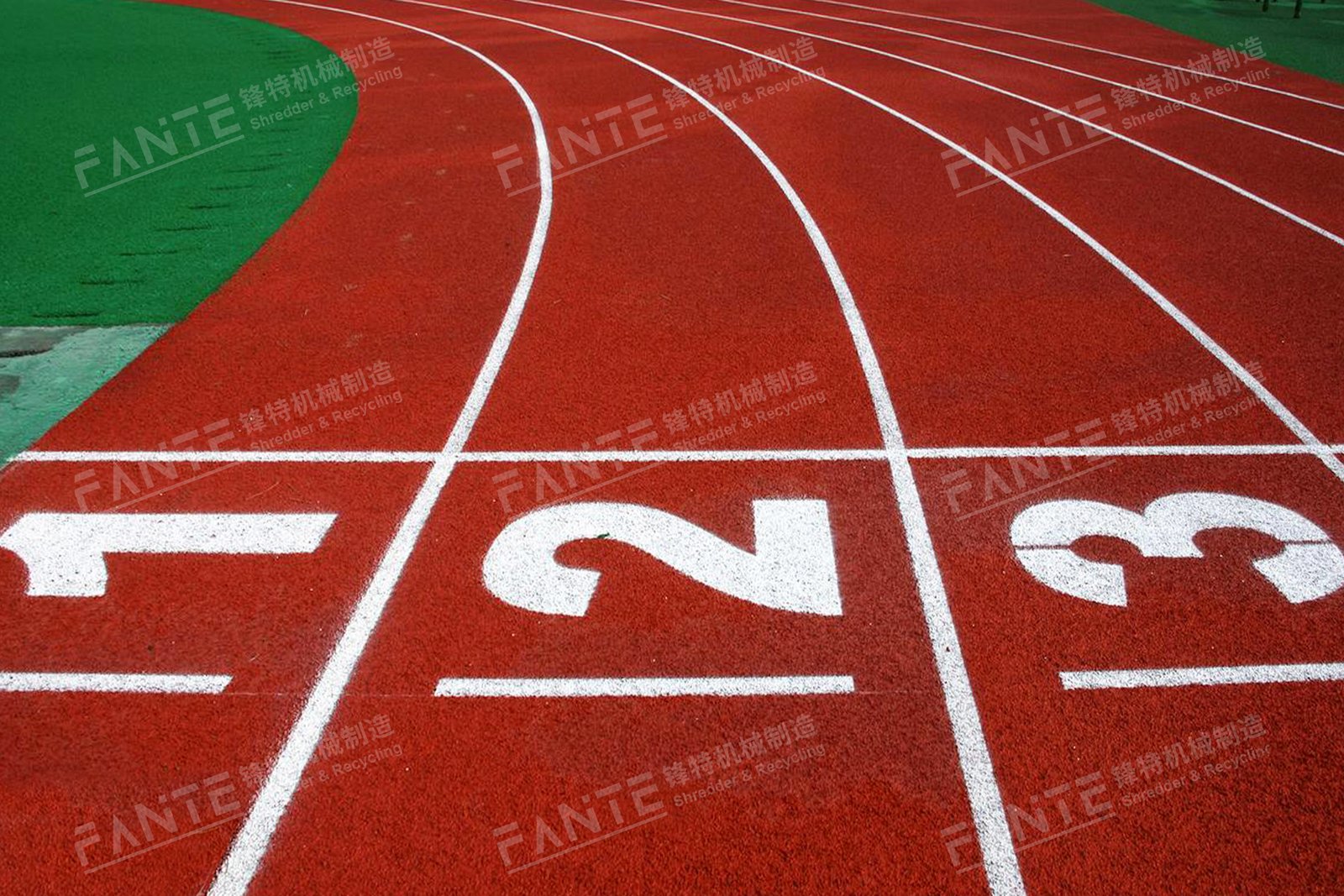
Running tracks
Selected rubber granules can be bound into resilient surfaces for running tracks and sports areas.

FANTE / COMPLETE RECYCLING LINES
Configure tire preparation, shredding and downstream reduction to produce rubber granules or rubber powder.
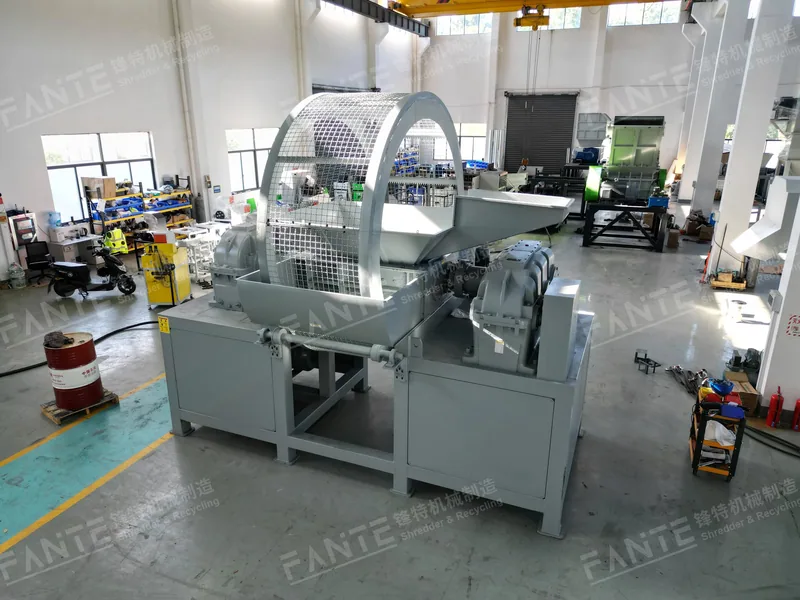
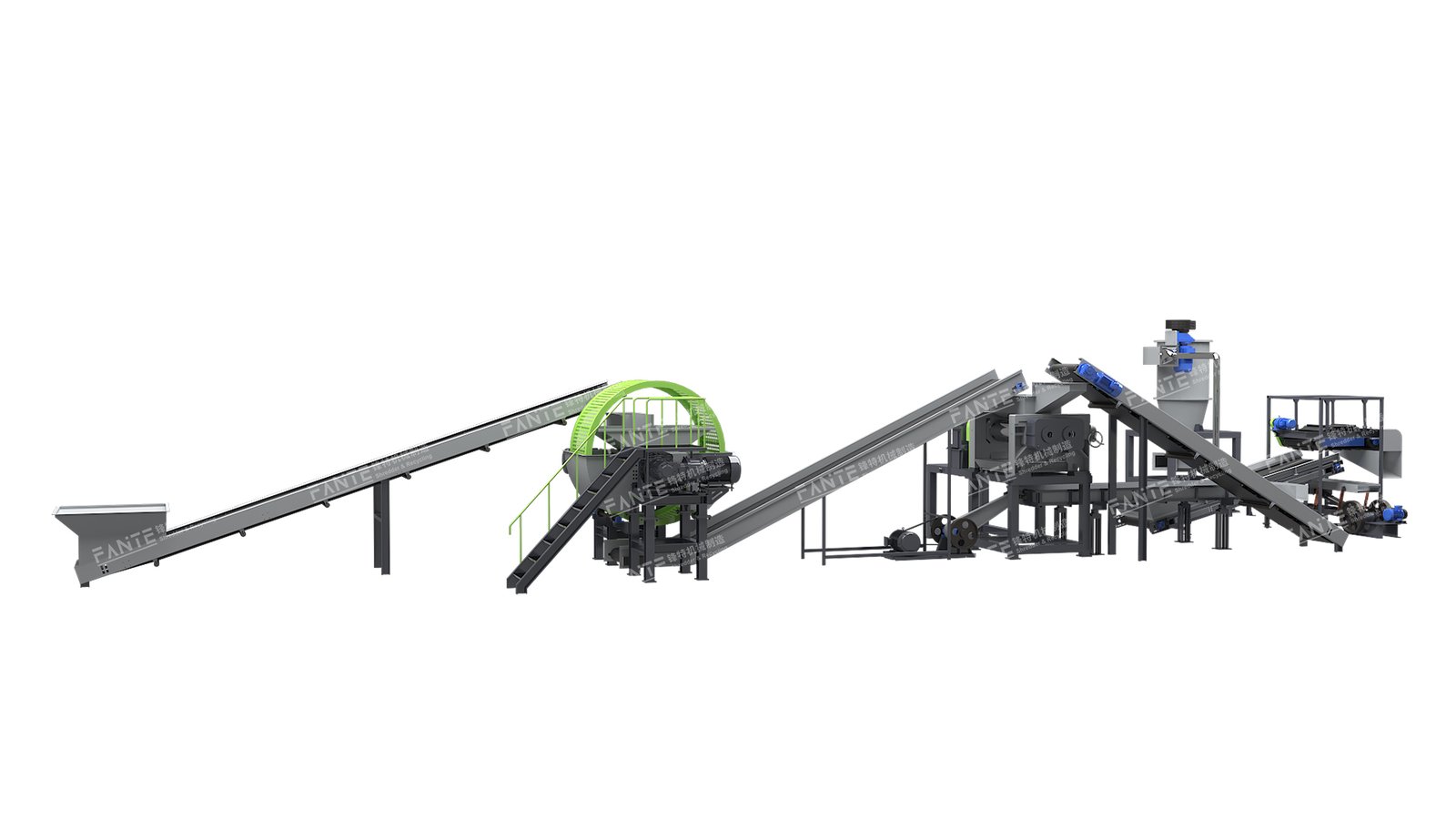
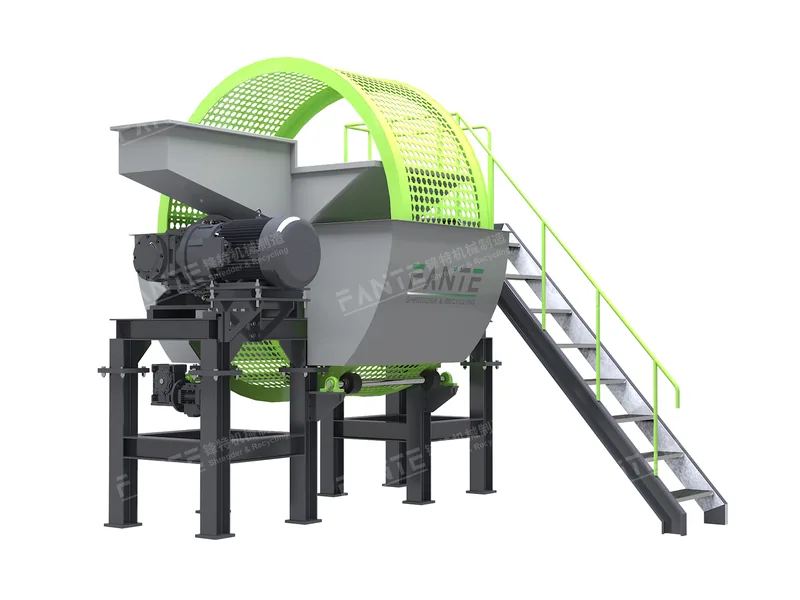
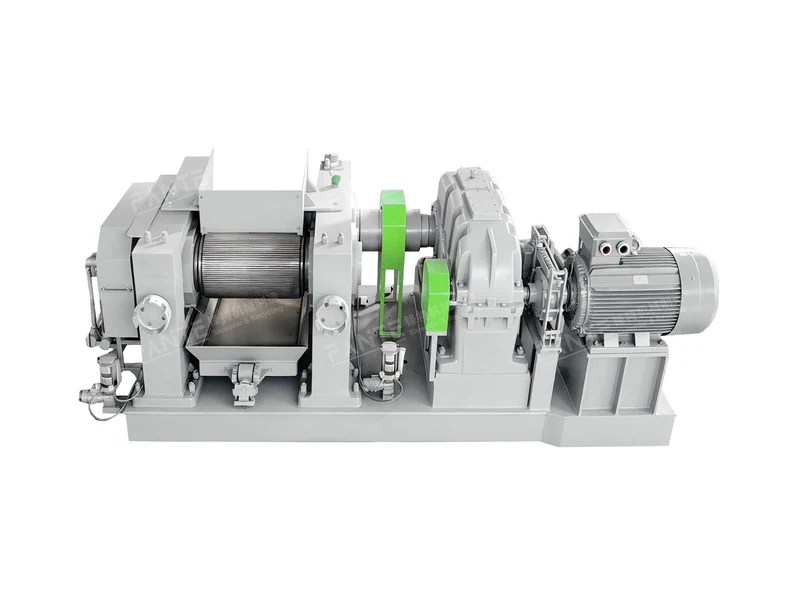
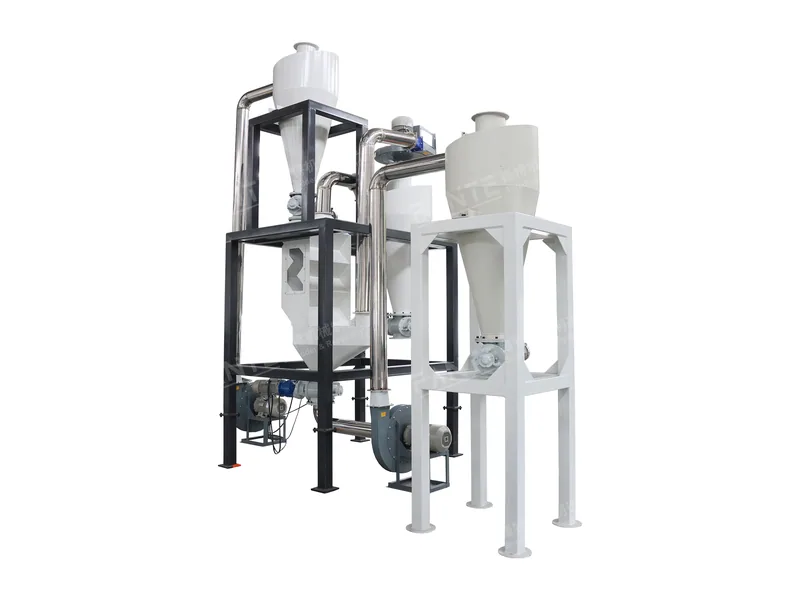
Waste tires are first shredded into pieces of 50 mm or smaller. The material then enters the Rubber Cracker Mill for secondary crushing. A vibrating screen separates the crushed rubber by size: qualified particles proceed to magnetic separation, while oversized particles return to the Rubber Cracker Mill for further crushing. The magnetic separator removes exposed steel wires, and the nylon separator then removes lightweight textile fibers to produce cleaner recycled rubber.
Heavy-duty shredding equipment handles passenger car and truck tires with strong cutting and crushing performance.
Integrated magnetic separators recover exposed steel wires, reducing metal content in discharged rubber material.
Multiple crushing stages gradually reduce tire size to achieve the required output specifications.
Screening systems separate oversized materials and return them for further crushing to maintain consistent output.
Intelligent protection detects excessive loads and activates protective measures to reduce mechanical stress and prevent equipment damage.
Flexible equipment combinations and conveyor arrangements adapt to different factory spaces and production requirements.
With the required downstream equipment, the tire crushing line can produce rubber granules or rubber powder. Granule production uses further size reduction, screening and separation; powder production adds fine grinding and collection. The final configuration depends on the target size and capacity.
| Feedstock | Waste passenger-car and truck tires |
|---|---|
| Front end | Tire preparation and primary shredding |
| Selectable output | Rubber granules or rubber powder, according to the selected downstream route |
| Downstream stages | Rubber reduction, screening and material separation |
| Powder option | Additional rubber grinding and collection after preparation |
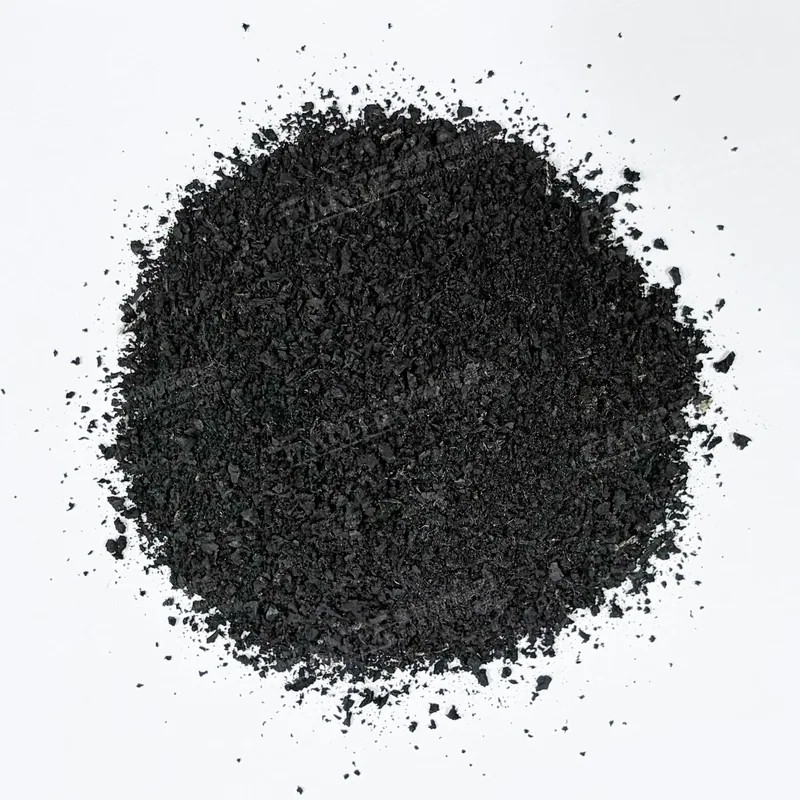
Rubber granules or powder are produced by adding the appropriate downstream equipment to the primary crushing route. Screening and separation are configured around the target product size.
Output applications
Selected rubber granules can be bound into resilient surfaces for running tracks and sports areas.
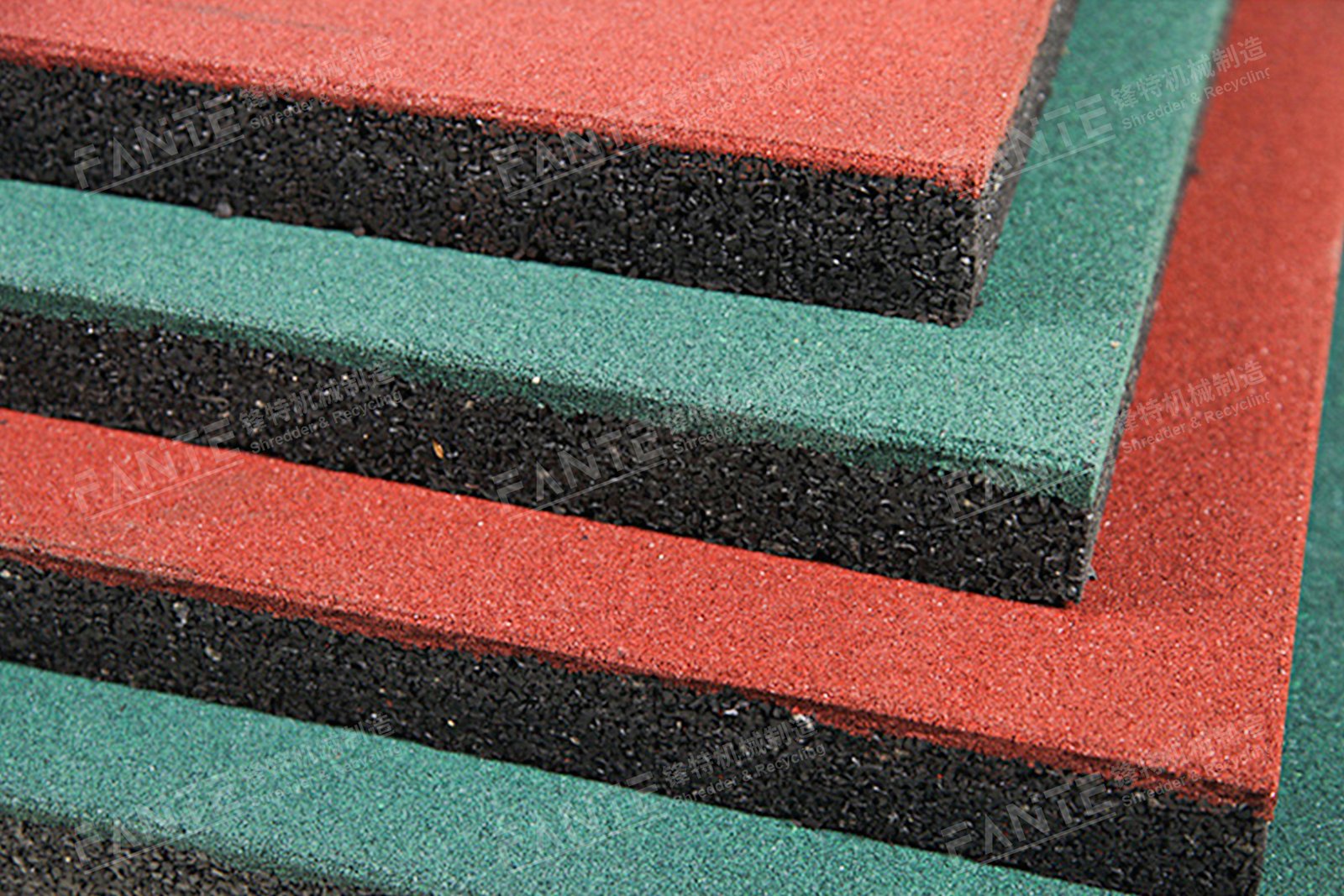
Recovered rubber can be processed into durable floor mats for workshop and commercial spaces.
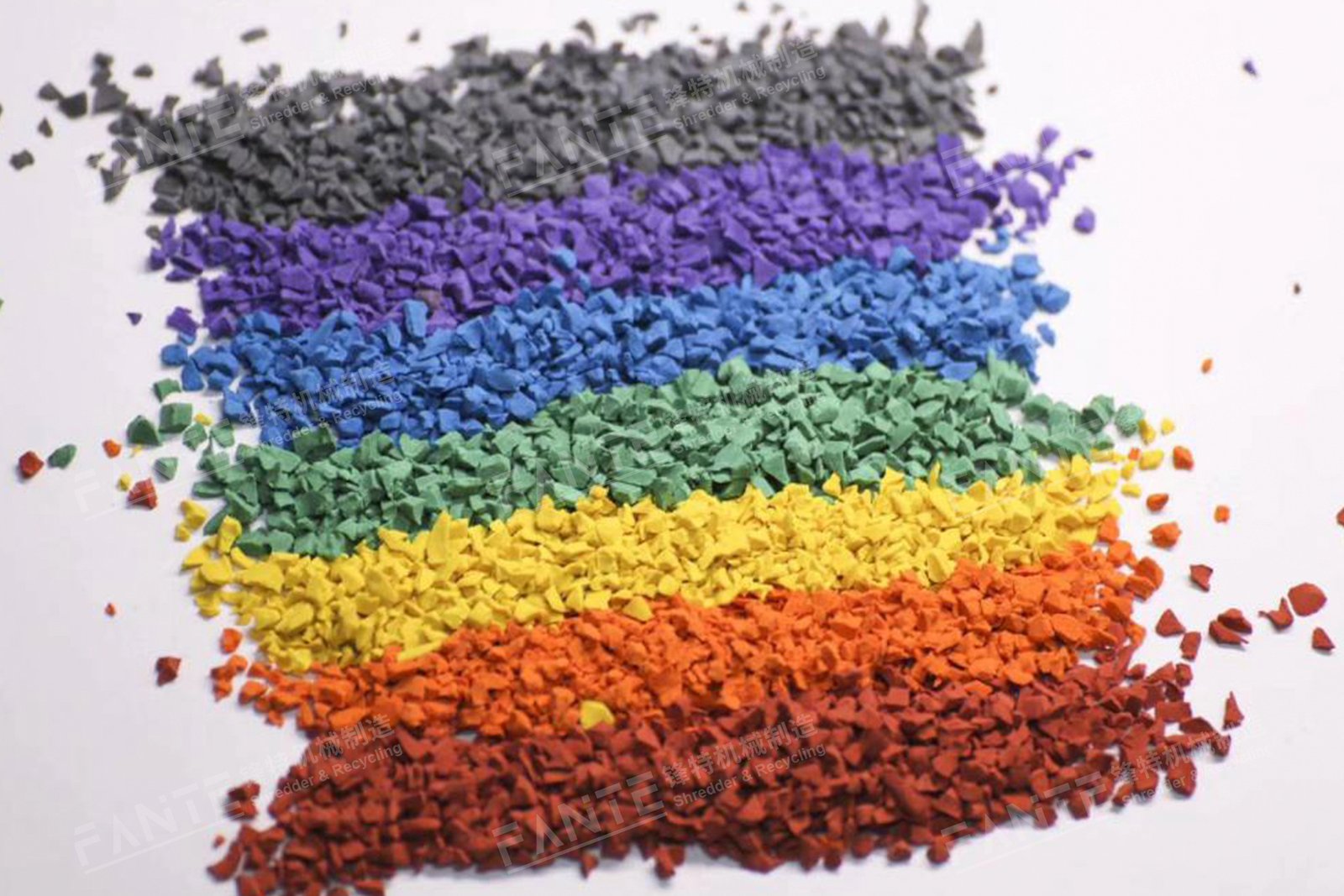
Graded rubber granules are used as feedstock in the manufacture of running track surfaces.
The route combines primary shredding, further crushing or granulation, and the separation stages required for the chosen rubber product.
Yes. With the appropriate downstream equipment, the line can produce rubber granules or rubber powder. Granule sizing, powder fineness and capacity depend on the selected configuration.
Its modular configuration is selected around the intended processing rate, tire types, target product size and available factory space.
No. A load percentage alone does not state kWh per tonne. The required electrical supply and production energy should be reviewed for the actual installed equipment and operating conditions.
The main wear parts include shredder blades, rotary screen components, and rubber cracker mill rollers. These components are subject to continuous friction and mechanical stress during operation. Regular inspection, timely replacement, and proper maintenance help maintain crushing efficiency and ensure stable long-term performance.
CONTACT US
Start with your raw material and the output you want to produce. We will use your project requirements to discuss a suitable configuration.
WANT TO KNOW MORE? WhatsApp +86 13770963575
CONTACT US