Power generation
Power plants equipped to handle tire-derived fuel can blend screened tire chips with conventional fuel to produce steam for electricity generation.

FANTE / COMPLETE RECYCLING LINES
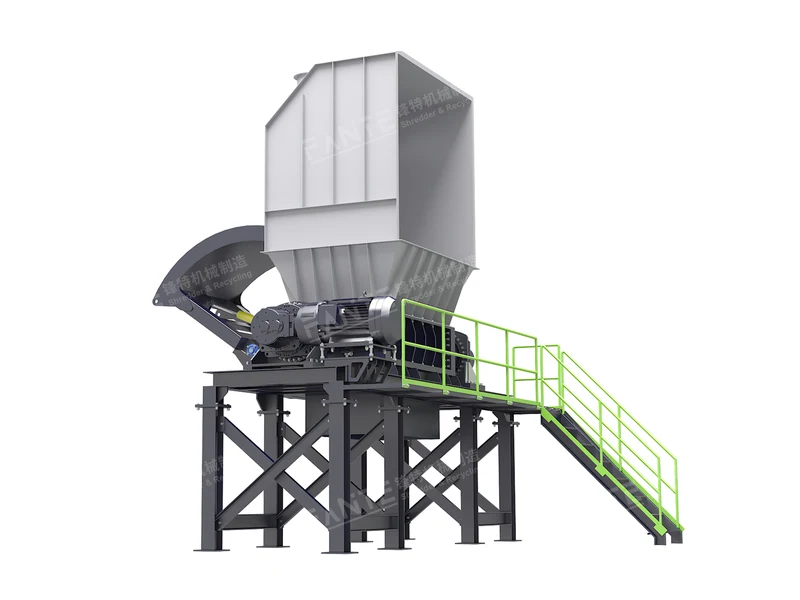
Produce tire-derived fuel from waste car and truck tires with primary shredding, disc screening and oversize return.
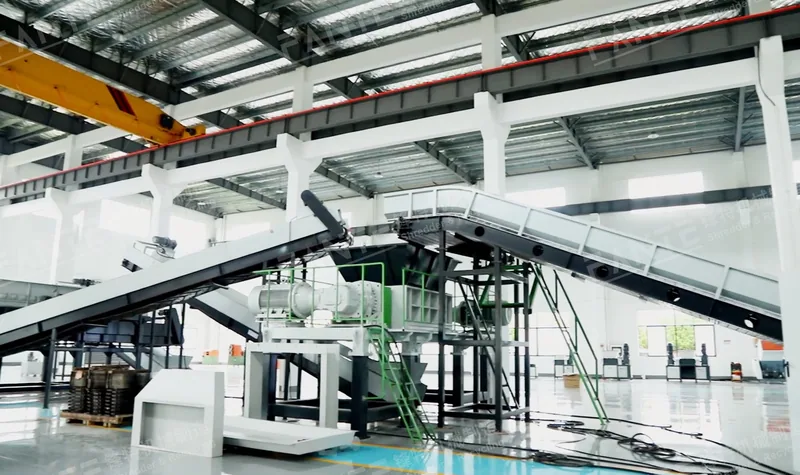
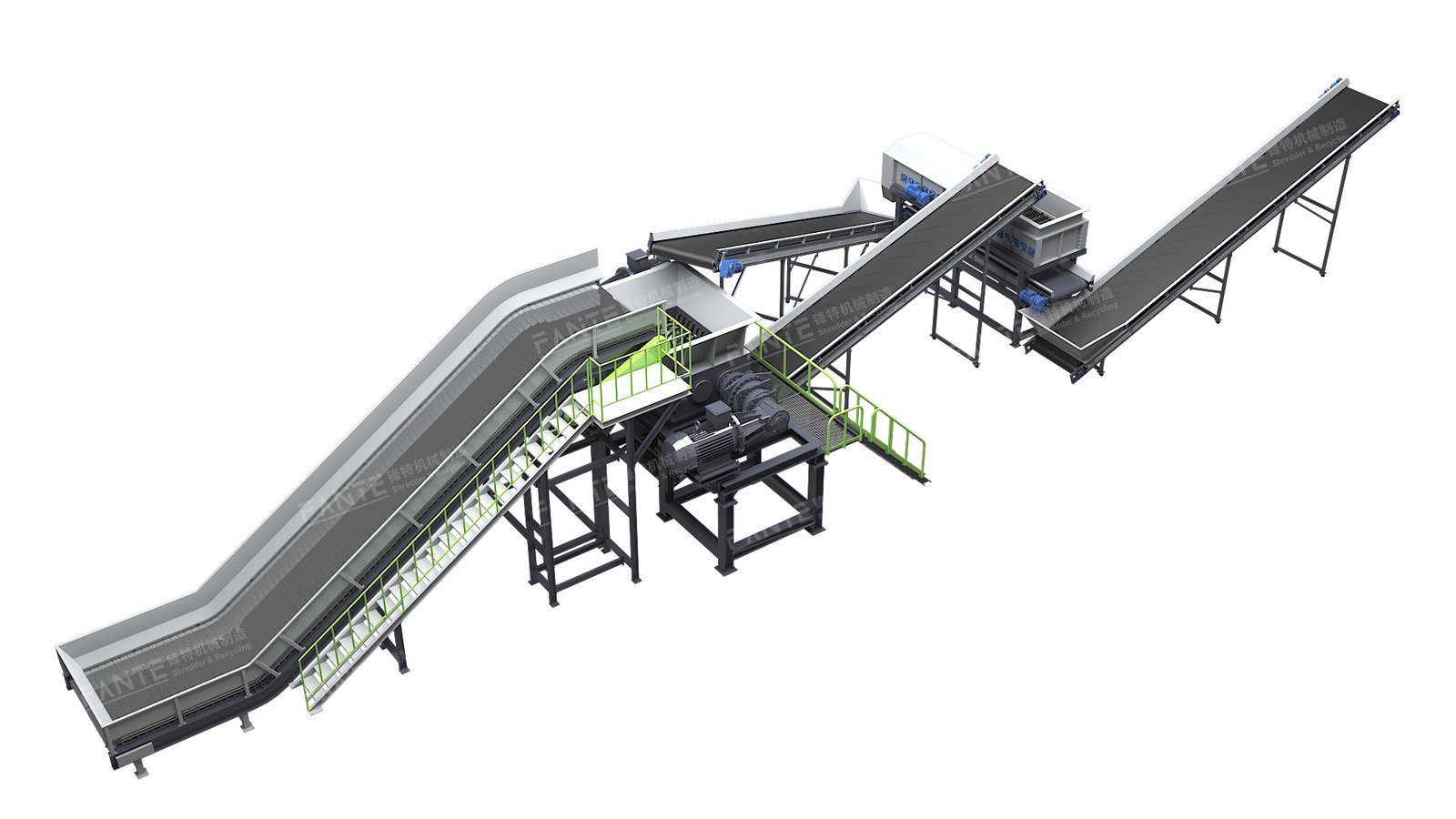
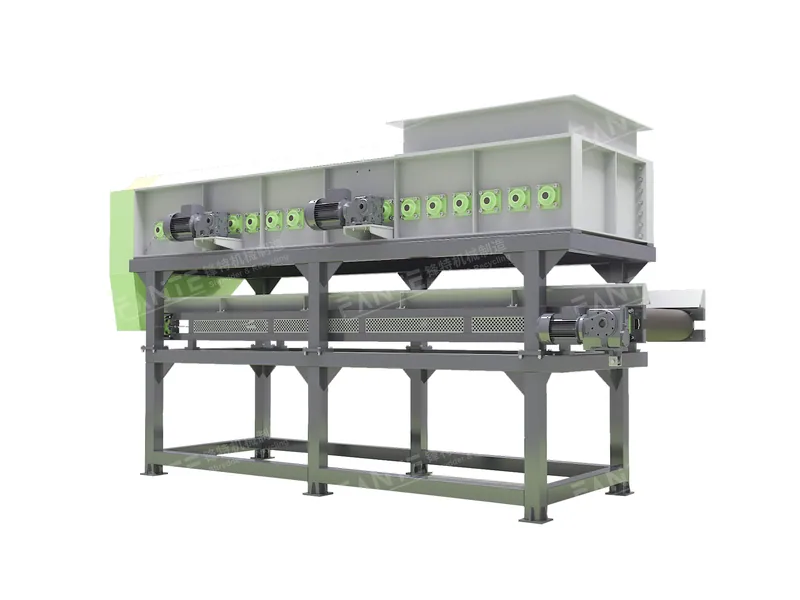
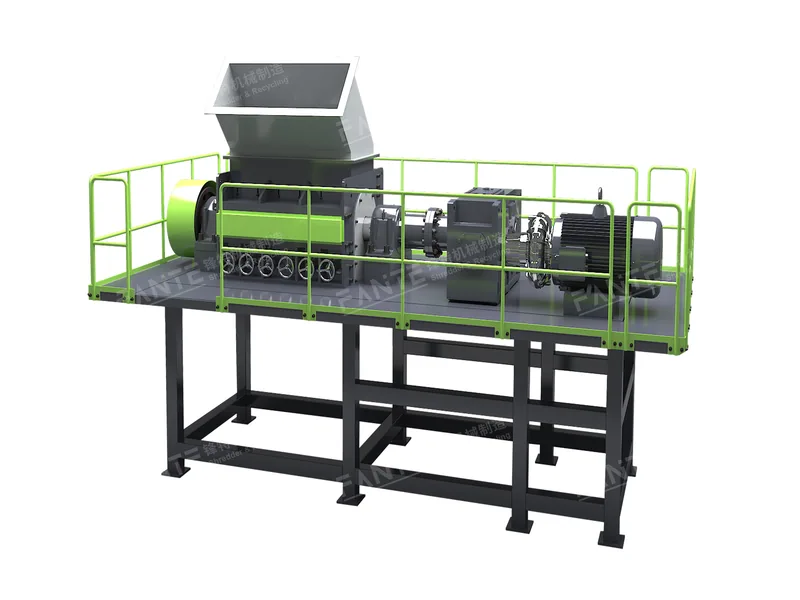
A tire-derived fuel (TDF) production line turns end-of-life tires into sized shreds for industrial fuel preparation. The FANTE route combines a tire shredder with a disc screen: material within the selected size range moves to discharge, while oversized pieces return for another shredding pass.
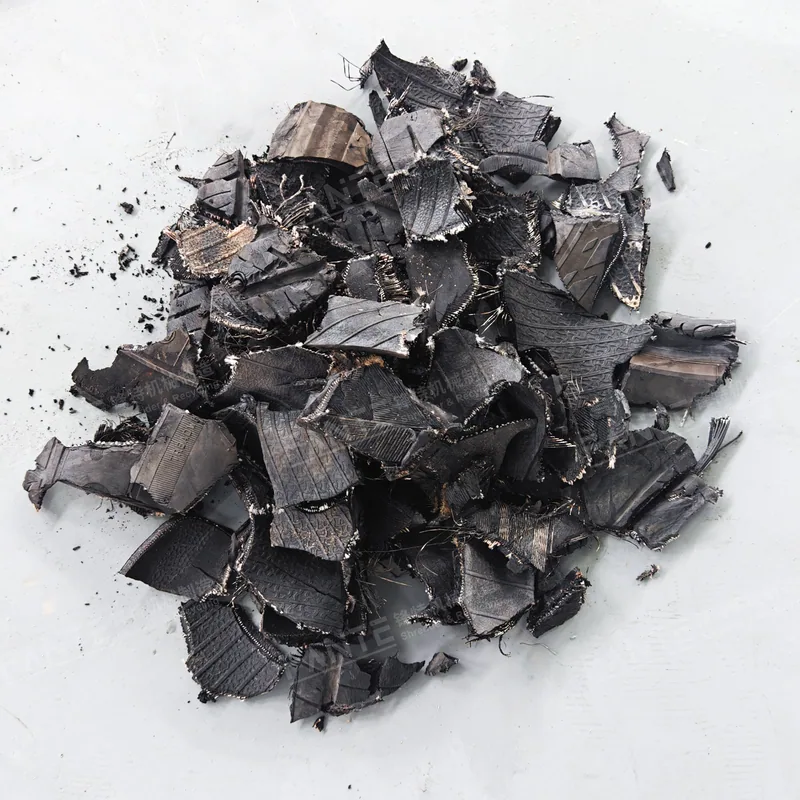
Robust shredding systems process car and truck tires efficiently, delivering consistent 50–100 mm TDF chips.
Integrated screening and automatic oversize return ensure uniform output size and reduce manual handling.
Built-in overload protection detects excessive loads and automatically triggers protective measures, helping prevent motor damage, reduce mechanical stress, and ensure safer, more reliable operation.
Industrial dust collection systems capture airborne particles and help maintain a cleaner production environment.
Automated controls coordinate equipment operation, monitor production status, and improve operational safety.
From customized system design to installation guidance and after-sales service, we support your project throughout its lifecycle.
Passenger and truck tires enter the shredder, which cuts them into coarse pieces. A disc screen sorts the pieces by size and sends oversized material back for another pass.
| Input material | Passenger and truck tires |
|---|---|
| Process | Shredding and disc screening |
| Output | Tire-derived fuel (TDF) |
| Chip size | 50–100 mm |
Chips that pass through the screen leave the line as tire-derived fuel. Industrial facilities equipped to use TDF can blend the chips with conventional fuels.
OUTPUT APPLICATIONS
The Iraq TDF installation targeted 50 mm tire shreds for cement fuel. Ask the receiving plant for its shred size and steel limits before choosing a screen.
Power plants equipped to handle tire-derived fuel can blend screened tire chips with conventional fuel to produce steam for electricity generation.
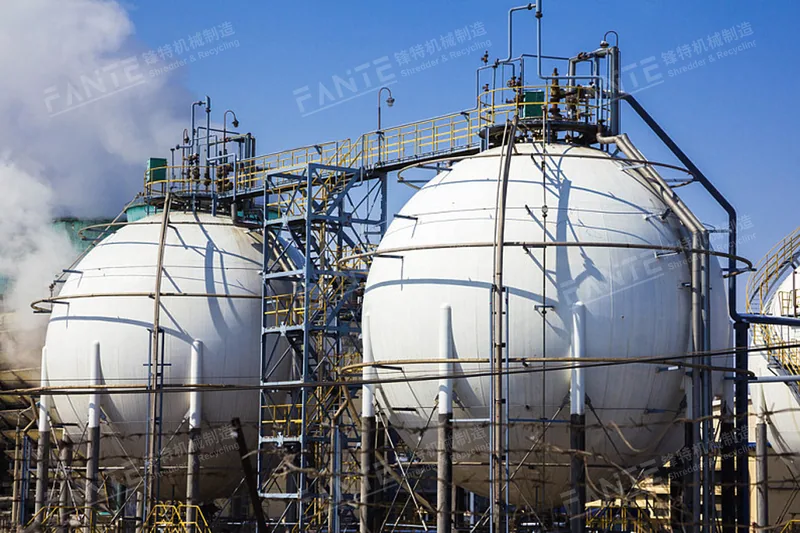
Cement kilns and other industrial facilities equipped for solid fuels can use screened tire chips as an alternative fuel for high-temperature processes.
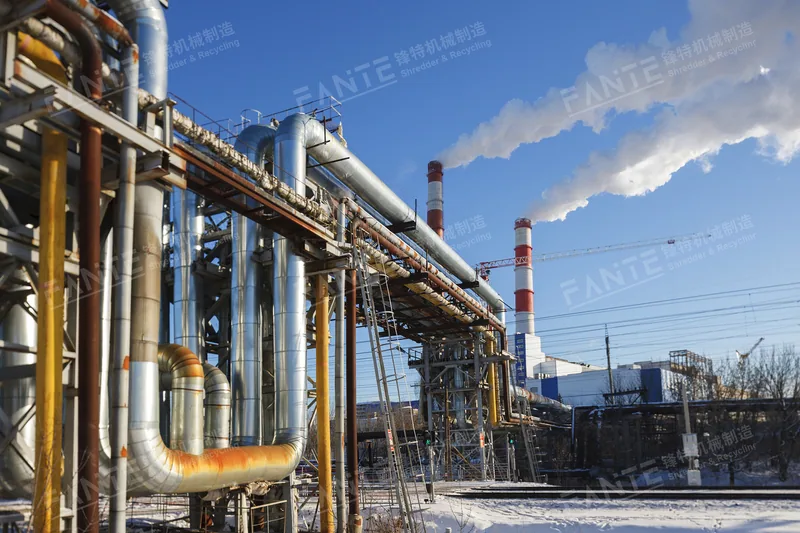
District heating plants equipped to use tire-derived fuel can co-fire screened tire chips to heat water for distribution to buildings.
See how the tire-derived fuel (TDF) line shreds prepared tires and screens the resulting pieces for fuel applications.
Screening separates the shreds by size so oversized pieces can return to the shredder for further reduction.
Explore the production processA typical TDF product is approximately 50–100 mm rubber blocks. Shredder settings and screening are selected to suit the receiving kiln or boiler.
Yes. Feeding, blade selection and shredder configuration must account for the dimensions and construction of the incoming tires.
Not in every project. It depends on the fuel specification and combustion system; magnetic separation can be included when a lower steel content is required.
Receiving applications include cement kilns, industrial boilers, power plants and alternative-fuel preparation, subject to the receiving facility specifications.
A TDF line stops after producing fuel-size tire shreds. A crumb rubber plant adds rubber reduction, steel liberation, granulation, fiber removal and grading to produce a smaller rubber fraction.
CONTACT US
Start with your raw material and the output you want to produce. We will use your project requirements to discuss a suitable configuration.
WANT TO KNOW MORE? WhatsApp +86 13770963575
CONTACT US