
TIRE RECYCLING EQUIPMENT
Disc Screen For Tire Recycling
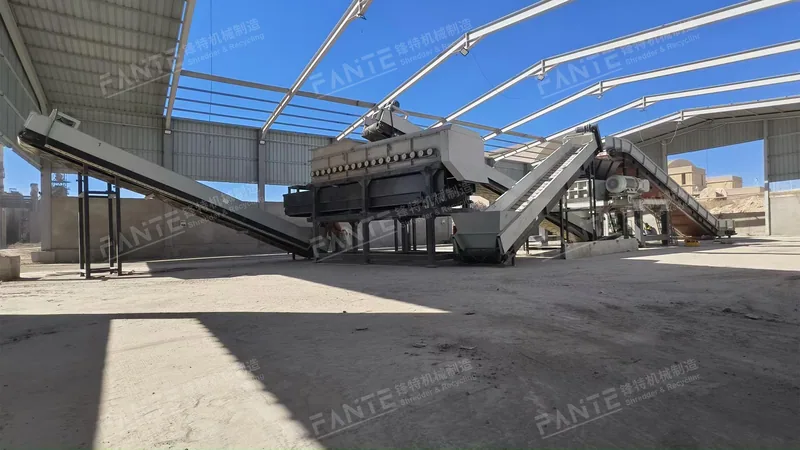
Classify tire shreds after primary shredding and return oversized material for another reduction pass.
PROCESSSize classificationOUTPUTSized shreds + oversize return
THE PROCESS
Disc screen for tire recycling overview
A tire-recycling disc screen separates primary shreds according to size. Material meeting the selected size requirement continues downstream, while the oversized fraction returns to the shredder through the configured return arrangement.
This screening step helps prevent large, irregular pieces from entering the next rubber-reduction machine. It serves a different duty from the fine rubber-granule screen used later to collect small particle-size grades.
Explore recovered material applications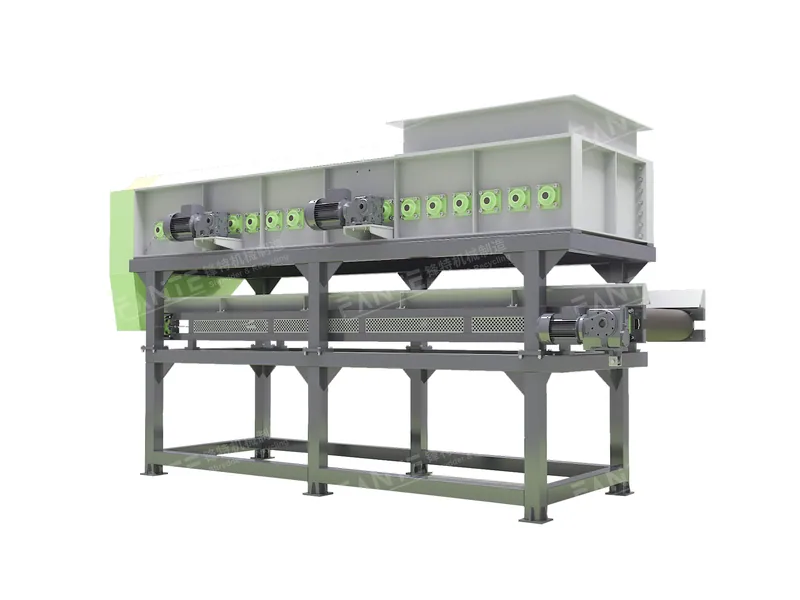
Key Features
Efficient Material Screening
Separates rubber chips by size through rotating disc assemblies for efficient material classification.
Automatic Oversize Separation
Removes oversized rubber pieces and directs them back for further shredding.
Anti-Clogging Screen Design
Rotating discs help reduce material buildup and screen blockage during continuous operation.
Adjustable Screening Gaps
Disc spacing can be configured to meet different material size and screening requirements.
High-Throughput Processing
Continuous material movement supports efficient screening of large volumes of tire chips.
Low-Maintenance Structure
Robust rotating components and accessible maintenance points simplify routine servicing.
Process Overview and Technical Specifications
| Category / Model | Parameter | Details |
|---|---|---|
| Process overview | Input | Tire shreds from primary reduction |
| Process position | After the primary tire shredder | |
| Accepted fraction | Tire material within the selected screening size | |
| Oversized fraction | Return feed for another shredding pass | |
| Typical routes | TDF preparation and tire-rubber recycling | |
| Technical specifications | Screening mechanism | Rotating discs |
| Size adjustment | Configurable disc spacing |
Where it fits in the line.
01 / MATERIAL INMixed tire shreds
02 / PROCESSSize classification
03 / MATERIAL OUTSized shreds + oversize return
The equipment at work.
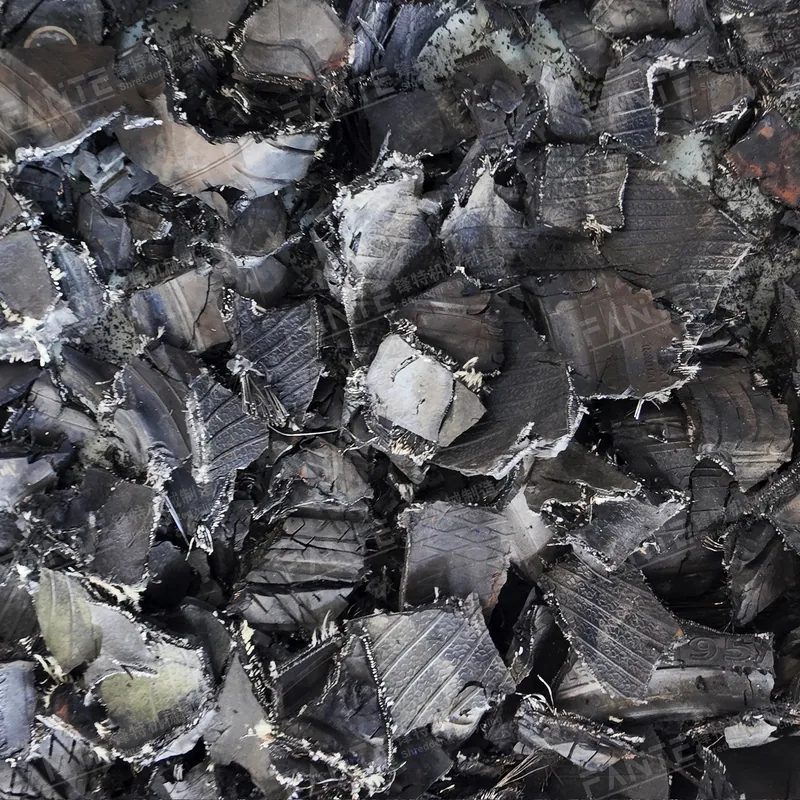
MATERIAL AFTER PROCESSING
Sized shreds + oversize return.
Separate tire shreds by size and return oversize material for further shredding.
Supplied material reference for this processing stage.
Tire recycling projects
View all projects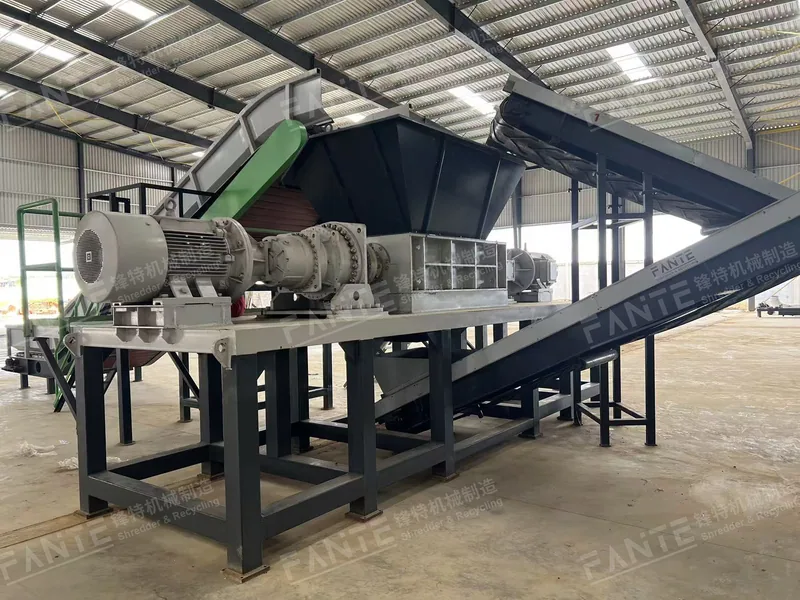
FAQ
Can oversized tire shreds be returned automatically?
Yes. The disc screen can be arranged to return oversized material to the shredder for further reduction.
Why is the disc screen used before the rasper?
Primary shreds can be large and irregular. Size classification limits what enters the rasper and helps protect its cutting tools from oversized feed.
What are the two output streams from disc screening?
Acceptable tire shreds continue downstream, while oversized pieces are separated for another pass through the shredder.
Is a disc screen the same as a rubber-granule grading screen?
No. This disc screen classifies coarse tire shreds after shredding. A rubber granule screening machine grades finer rubber later in the line.
How is a disc screen different from a rubber granule screen?
The disc screen classifies coarse tire shreds near the front of the line. A rubber granule screen works after fine reduction to separate smaller rubber particle-size fractions.
EQUIPMENT & PROCESS
Selection and process integration
Tire Shred Disc Screening Machine
The disc screen classifies coarse tire shreds after primary reduction. Material within the selected range proceeds, while oversized pieces return for another shredding pass.
Disc Screen For TDF Production
For a TDF route, screening helps control the tire shreds discharged toward fuel preparation. Agree the receiving fuel specification before choosing the screening arrangement.
Tire Shred Sizing Equipment
Sizing is a separate duty from shredding. Combining a suitable shredder and screen helps connect coarse reduction with the required discharge fraction.
Oversize Return Screening For Tire Shreds
Oversize return keeps larger pieces in the reduction loop. Consider recirculation and transfer together with the screen rather than selecting the screen in isolation.
CONTACT US
Tell us about your
tire recycling project.
Start with your raw material and the output you want to produce. We will use your project requirements to discuss a suitable configuration.
Email: info@recycling-tyre.com