
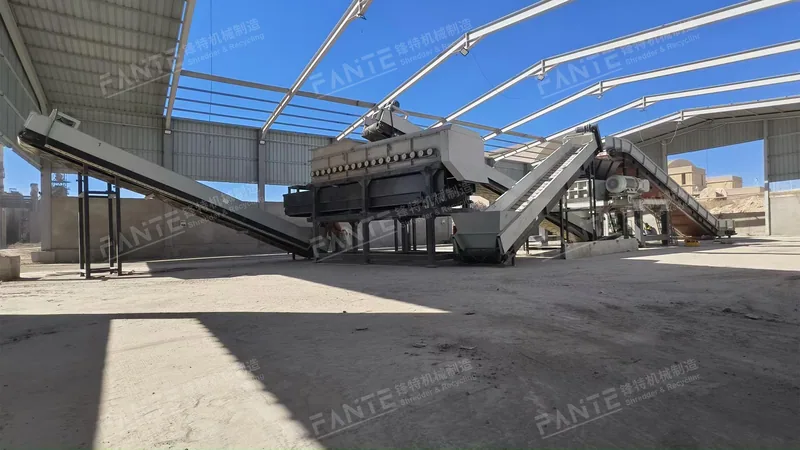
TIRE RECYCLING EQUIPMENT
Tire Fiber Separator for Recycled Rubber
Separate liberated textile fiber from rubber granules or powder using an air-based separation stage.
PROCESSAir separationOUTPUTRubber stream + fiber
THE PROCESS
Fiber separator for rubber overview
See how steel and textile are separated from tire rubber when selecting the equipment before and after this stage.
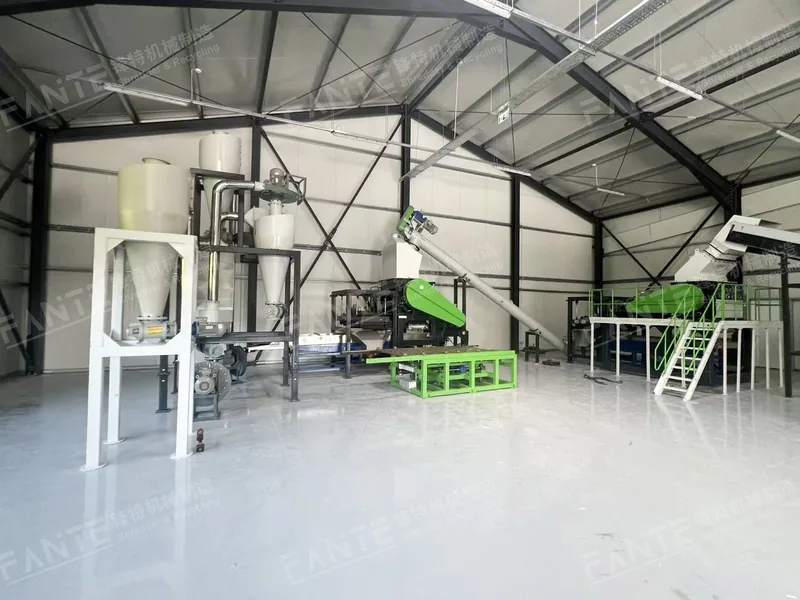
The FANTE fiber separator works after fine rubber reduction, when textile reinforcement has been released from the tire. Air-based separation removes the lightweight fiber fraction from the heavier rubber material.
The separator supports crumb rubber and rubber-powder production routes. It needs suitable dust extraction and collection, and its feed must be matched to the particle-size range handled by the selected arrangement.
Explore recovered material applications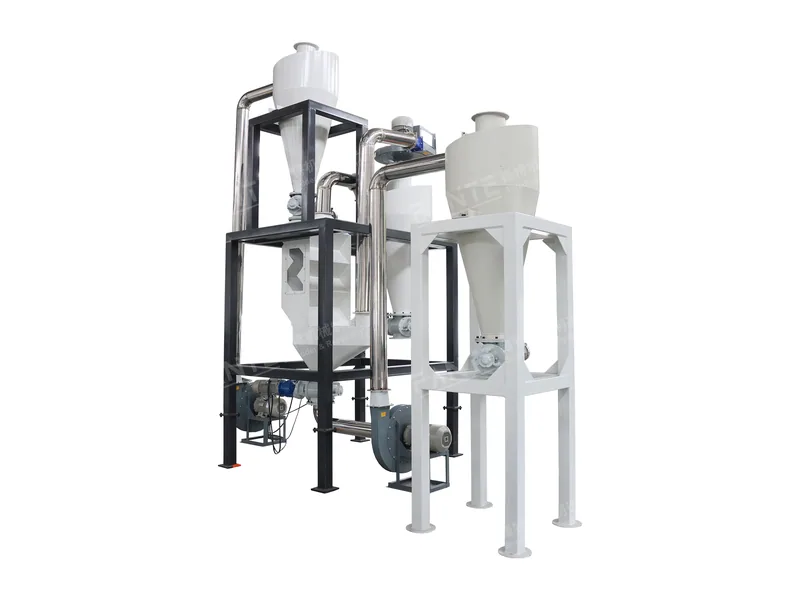
Key Features
Efficient Textile Fiber Removal
Uses controlled airflow to separate lightweight nylon and textile fibers from heavier rubber granules.
Improved Rubber Purity
Reduces fiber contamination to produce cleaner recycled rubber materials.
Adjustable Airflow Control
Airflow settings can be adjusted according to material characteristics and separation requirements.
Continuous Fiber Discharge
Dedicated fiber collection and discharge systems support uninterrupted separation.
Reduced Material Loss
Optimized airflow helps minimize the amount of usable rubber carried away with separated fibers.
Compatible with Multiple Processing Stages
Can be integrated with rasper, granulator and dust collection systems.
Process Overview and Technical Specifications
| Category / Model | Parameter | Details |
|---|---|---|
| Process overview | Input | Rubber granules or powder containing released textile |
| Process position | After fine rubber reduction | |
| Separation principle | Air-based separation of lightweight fiber | |
| Outputs | Rubber stream and separated textile fiber | |
| Supporting system | Dust extraction and collection | |
| Technical specifications | Separation method | Air classification |
| Control | Adjustable airflow | |
| Fiber discharge | Continuous |
Where it fits in the line.
01 / MATERIAL INRubber / textile mix
02 / PROCESSAir separation
03 / MATERIAL OUTRubber stream + fiber
The equipment at work.
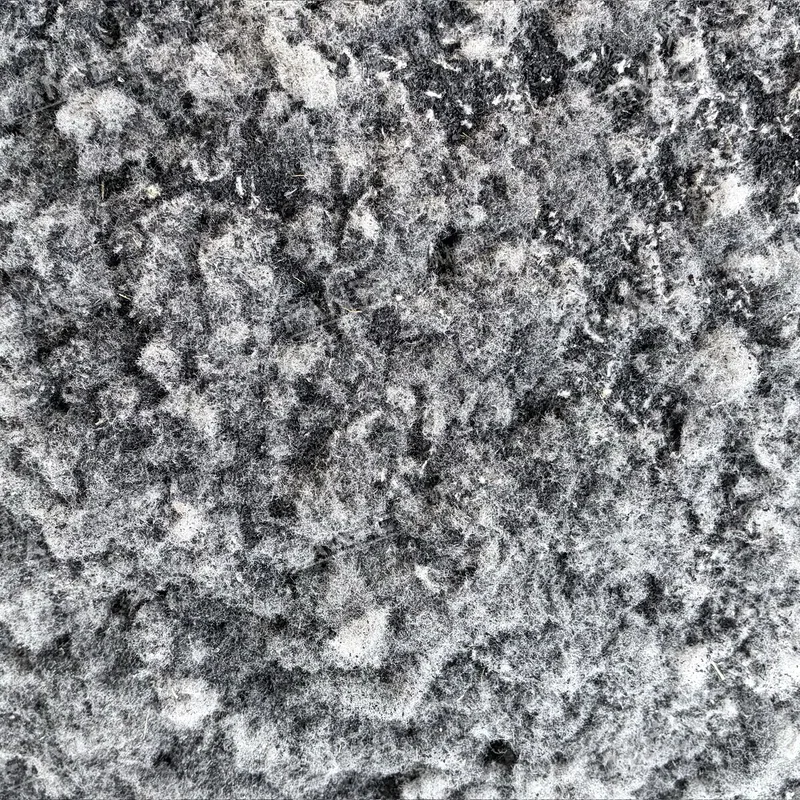
MATERIAL AFTER PROCESSING
Rubber stream + fiber.
Reduce liberated textile fiber in rubber granules or powder using an air-separation stage.
Supplied material reference for this processing stage.
Tire recycling projects
View all projects
FAQ
Can the fiber separator handle more than one rubber size?
Yes. It can work with different rubber particle sizes; the separation setup should suit the incoming material.
Does fiber separation require dust collection?
Yes. A matching dust-collection system is required alongside the fiber-separation stage.
Which contaminants is the fiber separator intended to remove?
It reduces liberated nylon and textile fiber in rubber granules or powder. Ferrous-wire recovery is handled by magnetic separation.
When does textile separation take place?
It follows fine rubber reduction, when textile has been released from the tire structure and can be separated from the rubber stream.
Can the fiber separator replace a magnetic separator?
No. Fiber separation removes lightweight textile, while magnetic separation recovers steel. Tire-rubber lines use these stages for different contaminants.
EQUIPMENT & PROCESS
Selection and process integration
Textile Fiber Separator For Tire Recycling
Air-based separation removes textile already liberated from tire rubber. Upstream reduction prepares the material so the fiber can be separated from the rubber stream.
Nylon Fiber Removal From Crumb Rubber
Textile removal depends on suitable liberation and feed preparation. Describe the incoming rubber particle range and required residual-fiber specification when discussing the separator.
Air Separator For Recycled Tire Rubber
Airflow separates materials with different behavior in the air stream. Review this stage alongside rubber reduction, screening and dust collection in the complete route.
Fiber Separation Machine For Rubber Granules
The separator treats a prepared rubber stream; it does not replace granulation or magnetic steel recovery. Agree its process position with the upstream and downstream equipment.
CONTACT US
Tell us about your
tire recycling project.
Start with your raw material and the output you want to produce. We will use your project requirements to discuss a suitable configuration.
Email: info@recycling-tyre.com