
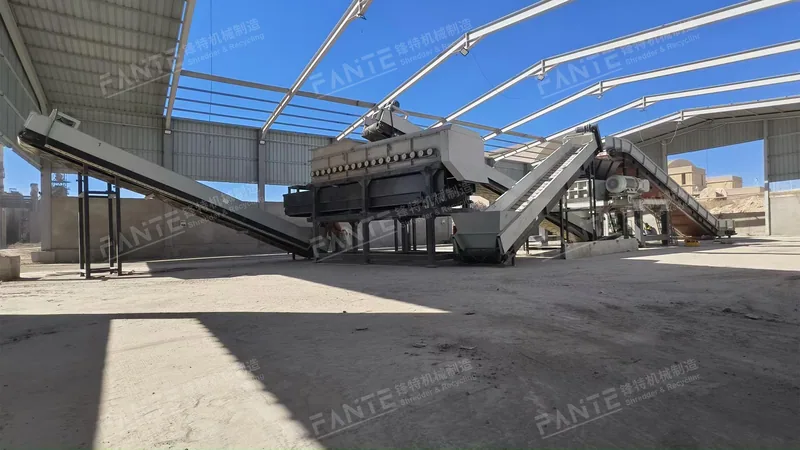
TIRE RECYCLING EQUIPMENT
Magnetic Separator For Tire Recycling
Recover liberated steel wire from rubber chips and granules at suitable stages of a tire-recycling line.
PROCESSMagnetic separationOUTPUTRecovered steel + rubber stream
THE PROCESS
Magnetic separator for tire recycling overview
See how steel and textile are separated from tire rubber when selecting the equipment before and after this stage.
A magnetic separator removes released ferrous wire from the mixed rubber stream. In tire recycling it is commonly positioned after the rasper and after finer rubber reduction, where additional steel may have been liberated.
Magnetic attraction cannot extract every wire fragment still enclosed in rubber. Mechanical liberation comes first, and more than one magnetic stage may be used to lower residual steel content as the rubber becomes finer.
Explore recovered material applications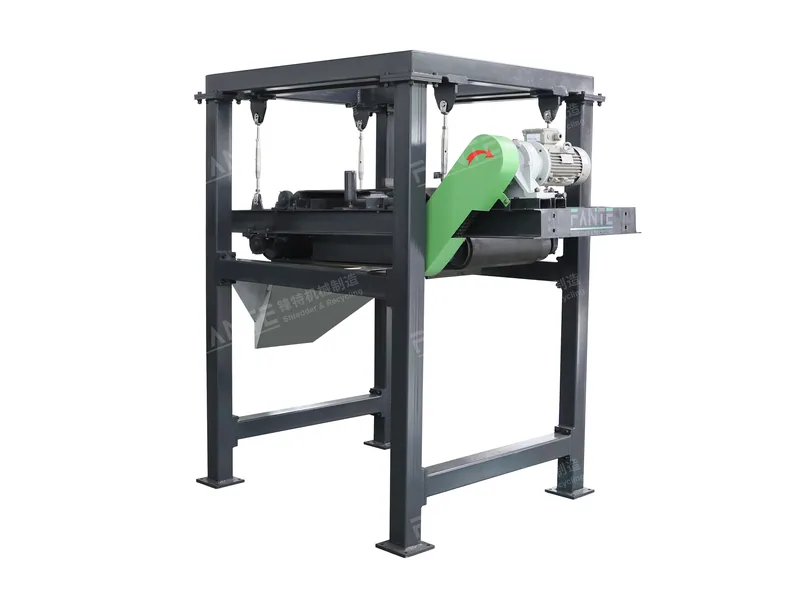
Key Features
Efficient Ferrous Metal Removal
Powerful magnetic fields attract and remove exposed steel wires and other ferrous contaminants.
Continuous Automatic Separation
Automatically discharge collected steel without frequent manual intervention.
Improved Rubber Purity
Removes residual steel fragments to improve the quality of recycled rubber materials.
Recycling Steel Wire
The separated steel wire can be collected separately and sold as scrap steel.
Reduced Equipment Wear
Removes metal contaminants before downstream processing to help protect granulators and other equipment.
Reliable Magnetic Performance
Industrial-grade magnetic components provide stable separation performance under continuous operating conditions.
Process Overview and Technical Specifications
| Category / Model | Parameter | Details |
|---|---|---|
| Process overview | Input | Rubber chips or granules mixed with liberated steel |
| Separation principle | Magnetic recovery of ferrous steel | |
| Process position | After rasping and finer rubber reduction as required | |
| Outputs | Recovered steel and the remaining rubber stream | |
| Limit | Embedded wire needs mechanical liberation before magnetic recovery | |
| Technical specifications | Separation method | Magnetic attraction |
| Steel discharge | Continuous, automatic |
Where it fits in the line.
01 / MATERIAL INRubber / released steel
02 / PROCESSMagnetic separation
03 / MATERIAL OUTRecovered steel + rubber stream
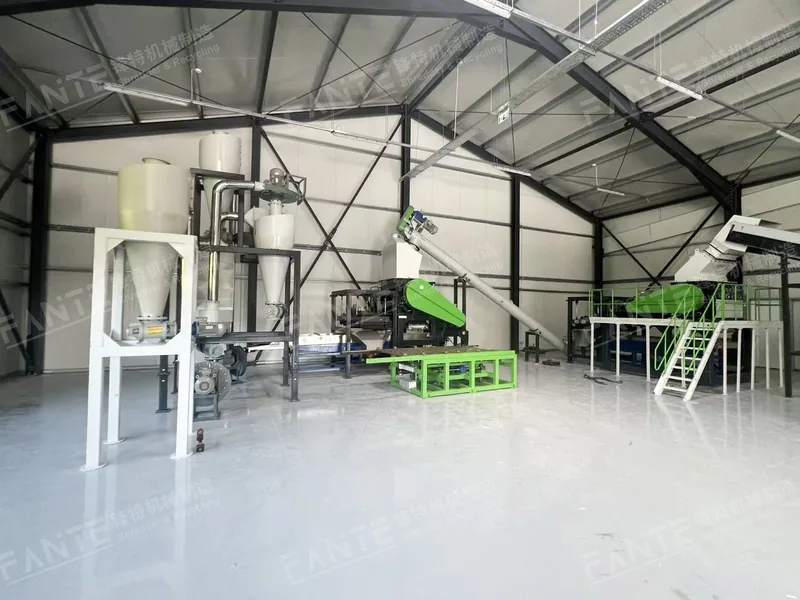
The equipment at work.
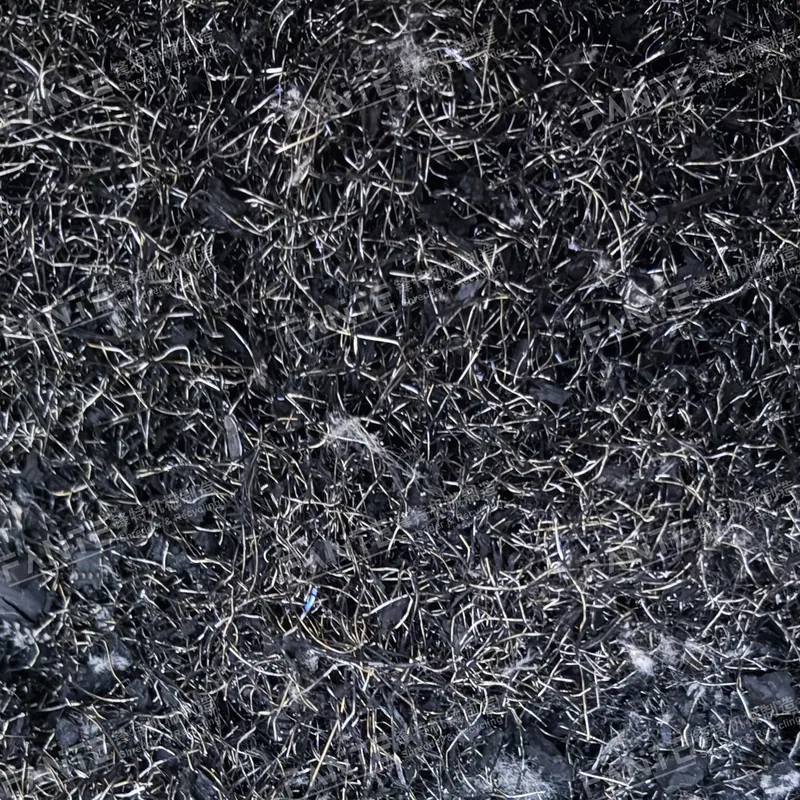
MATERIAL AFTER PROCESSING
Recovered steel + rubber stream.
Recover liberated steel from the rubber stream. Embedded wire requires upstream liberation before separation.
Supplied material reference for this processing stage.
Tire recycling projects
View all projects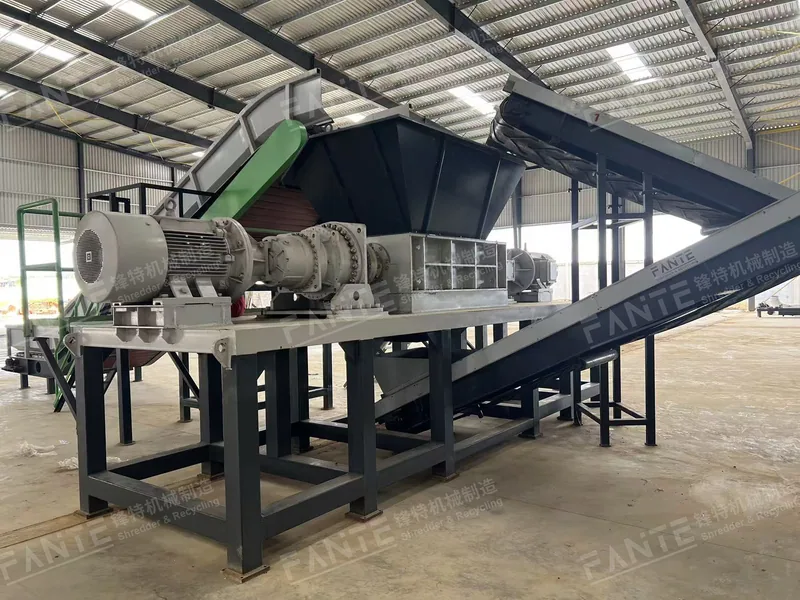
FAQ
Can a magnet extract steel that is still enclosed in rubber?
It attracts steel that has already been liberated. Fine wire still enclosed in rubber requires further upstream liberation before magnetic recovery.
Where are magnetic separators normally positioned?
Typical recovery points are the rasper discharge and the granulator discharge.
Why might the recycling line use several magnetic stages?
Steel becomes available for recovery at different reduction stages. Multiple magnetic stages help reduce residual wire as the rubber is processed further.
What leaves the magnetic-separation stage?
The process produces recovered ferrous wire and a rubber stream that proceeds to the next reduction or classification stage.
Does a magnet remove textile fiber from rubber?
No. The magnetic separator targets ferrous steel. Lightweight textile fiber needs a separate fiber-separation stage after it has been released from the rubber.
EQUIPMENT & PROCESS
Selection and process integration
Tire Steel Wire Magnetic Separator
The magnetic stage recovers steel wire after reduction has released it from rubber. Incoming material condition affects how the recovery stage should be integrated.
Magnetic Separation Of Steel From Tire Rubber
Magnetic recovery follows liberation rather than performing the same duty as the rasper. Match its location to the rubber stream and the upstream reduction stages.
Steel Recovery Equipment For Tire Recycling
Treat steel collection and rubber discharge as separate streams. Where recovered wire retains rubber, review the dedicated downstream wire-cleaning route.
Magnetic Separator For Rubber Granules
Magnetic recovery can be considered at suitable points in a rubber granulation route. The selected stage and feed condition should match the intended recovered-rubber specification.
CONTACT US
Tell us about your
tire recycling project.
Start with your raw material and the output you want to produce. We will use your project requirements to discuss a suitable configuration.
Email: info@recycling-tyre.com