
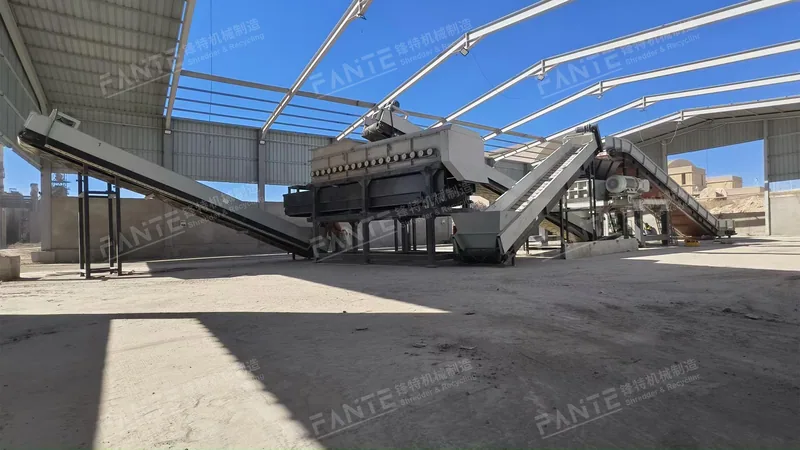
TIRE RECYCLING EQUIPMENT
Tire Rasper for Secondary Reduction and Steel Liberation
Reduce pre-shredded tire rubber and release embedded steel before magnetic separation.
PROCESSSteel liberationOUTPUTRubber fragments + released wire
THE PROCESS
Tire rasper overview
A tire rasper performs secondary reduction after primary tire shredding. Its rotor and cutting tools shear, tear and work the rubber to release reinforcing steel from the tire structure. The result is a mixed rubber-and-wire stream ready for magnetic recovery.
The supplied process information uses approximately 50 mm tire shreds as feed and identifies 10–30 mm rubber fragments as a configuration-dependent output. The rasper liberates steel; the magnetic separator then recovers the released wire.
Explore recovered material applications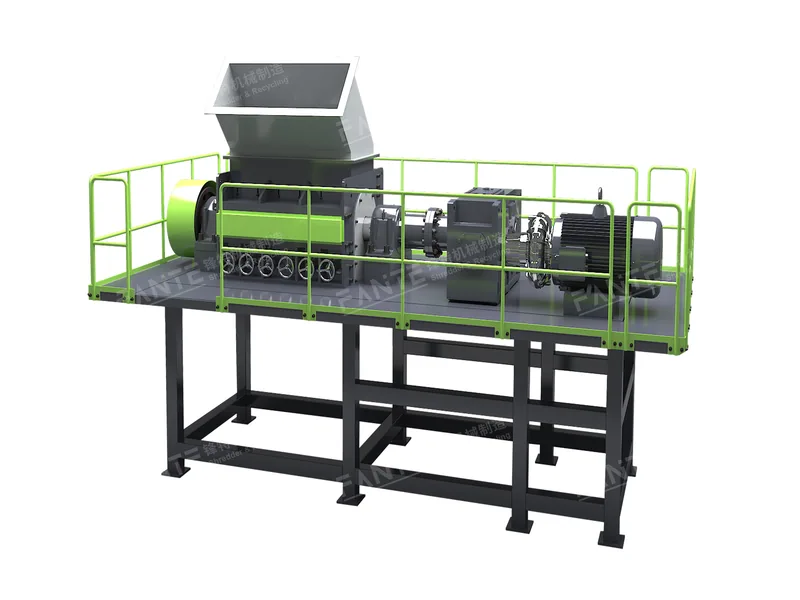
Key Features
Efficient Secondary Size Reduction
Reduces primary tire chips into smaller rubber pieces for subsequent granulation.
Effective Steel Liberation
Rasping action helps separate embedded steel wire from rubber to improve downstream magnetic separation.
Consistent Rubber Chip Output
Optimized rotor and screen design help produce more uniform rubber particles.
Heavy-Duty Rotor Assembly
Robust rotor construction handles continuous processing and demanding material conditions.
Reduced Downstream Load
Prepares rubber chips for finer granulation, improving the efficiency of subsequent processing stages.
Convenient Screen Replacement
Replaceable screens allow adjustments to output size and simplify maintenance.
Process Overview and Technical Specifications
| Category / Model | Parameter | Details |
|---|---|---|
| Process overview | Input | Pre-shredded tire material, approximately 50 mm in the supplied process |
| Process position | Secondary reduction after the tire shredder | |
| Output | Rubber fragments and released steel wire | |
| Rubber fraction | Approximately 10–30 mm depending on screen configuration | |
| Following stage | Magnetic steel recovery and optional finer granulation | |
| FTRR-1000 | Power | 90 kW |
| Weight | Approx. 9200 kg | |
| Output size | 10-30 mm | |
| FTRR-1400 | Power | 132 kW |
| Weight | Approx. 13500 kg |
Where it fits in the line.
01 / MATERIAL INTire shreds
02 / PROCESSSteel liberation
03 / MATERIAL OUTRubber fragments + released wire
The equipment at work.
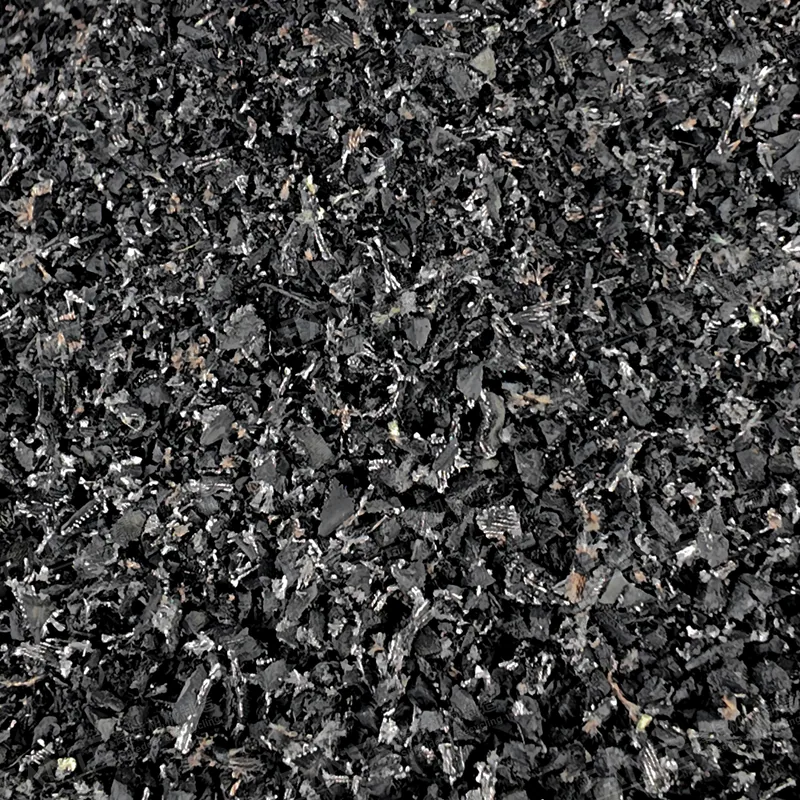
MATERIAL AFTER PROCESSING
Rubber fragments + released wire.
Liberate steel from shredded tires through secondary size reduction. Pair with magnetic separation for steel recovery.
Supplied material reference for this processing stage.
Tire recycling projects
View all projects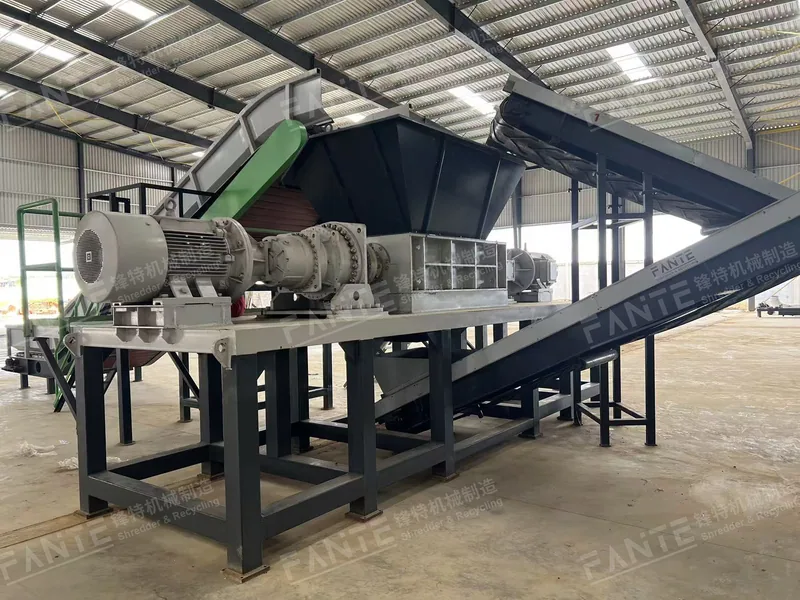
FAQ
What size tire shreds can feed the rasper?
The rasper accepts approximately 50 mm tire shreds after primary shredding and size control.
What rubber-chip size leaves the rasper?
The listed rubber-chip range is approximately 10–30 mm, depending on the selected screen configuration.
How does the rasper release steel from rubber?
Its rotor and cutting tools apply shearing, tearing and friction to further reduce the rubber and release embedded steel wire.
Is the released wire already completely free of rubber?
The listed output includes steel wire with some attached rubber and a separate rubber-fragment stream. Magnetic recovery and any required wire cleaning follow the liberation stage.
Why is the rasper placed before a magnetic separator?
Magnets collect steel that has already been released. The rasper first breaks down the rubber around reinforcing wire, making that steel accessible to magnetic recovery.
EQUIPMENT & PROCESS
Selection and process integration
Secondary Tire Shredding Machine
The rasper follows primary shredding and further reduces prepared tire rubber. Its processing duty includes releasing steel embedded in the rubber stream.
Tire Steel Wire Liberation Machine
Steel liberation exposes wire for subsequent recovery. The rasper performs reduction and release; a magnetic separator then recovers the liberated steel fraction.
Tire Rasper For Rubber Reduction
Further rubber reduction prepares the feed for later granulation and separation. Review incoming shred condition and the next processing stage when selecting the rasper.
Tire Rasper Before Magnetic Separation
Magnetic separation should follow adequate steel release from rubber. Discuss the connection between rasping, magnetic recovery and downstream granulation as part of the process layout.
CONTACT US
Tell us about your
tire recycling project.
Start with your raw material and the output you want to produce. We will use your project requirements to discuss a suitable configuration.
Email: info@recycling-tyre.com